The First in ASEAN! Mahidol Engineering Lab Achieves ISO 13485:2016 Certification for Antibacterial Dental Implant Coating Innovation
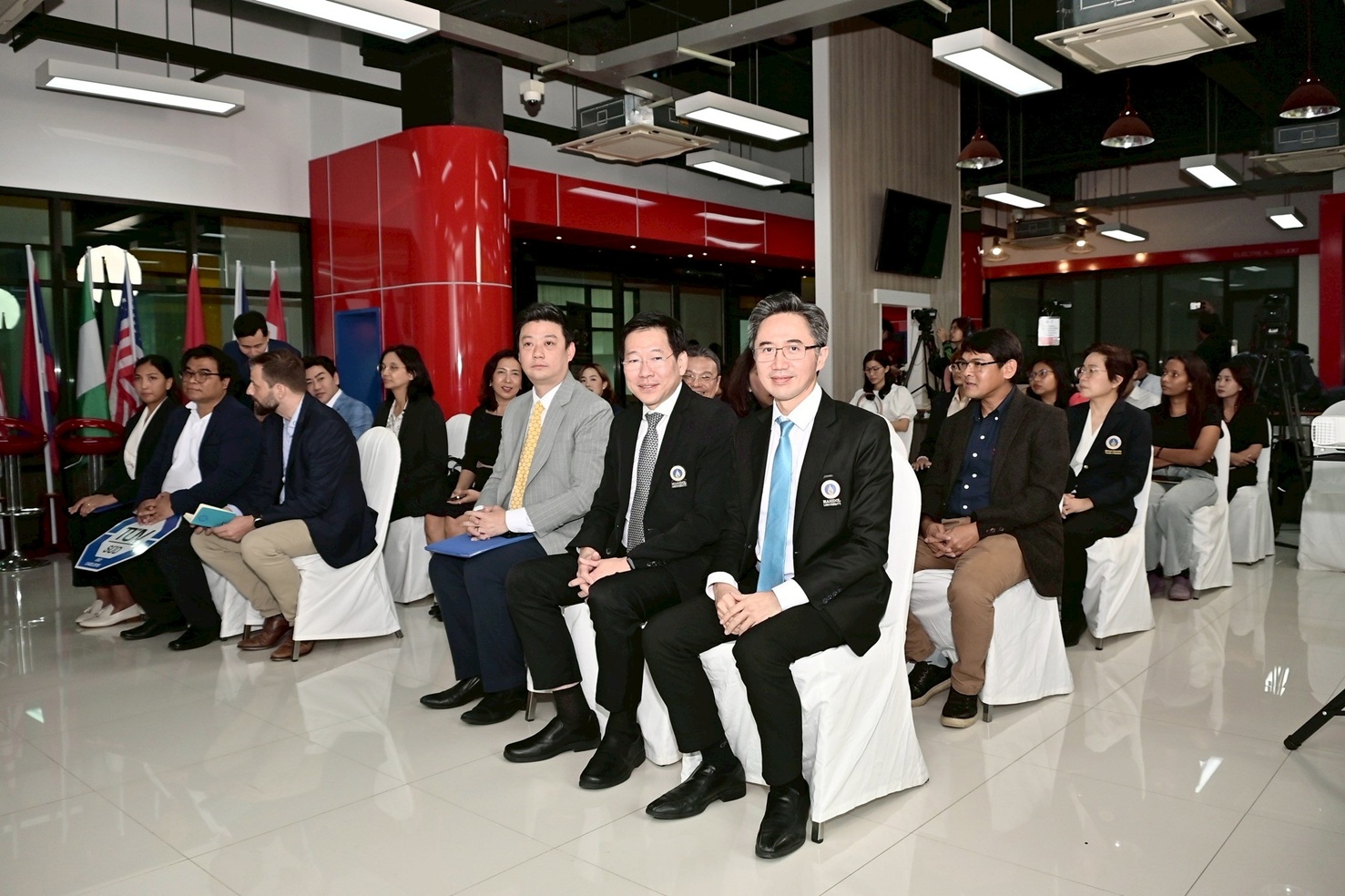
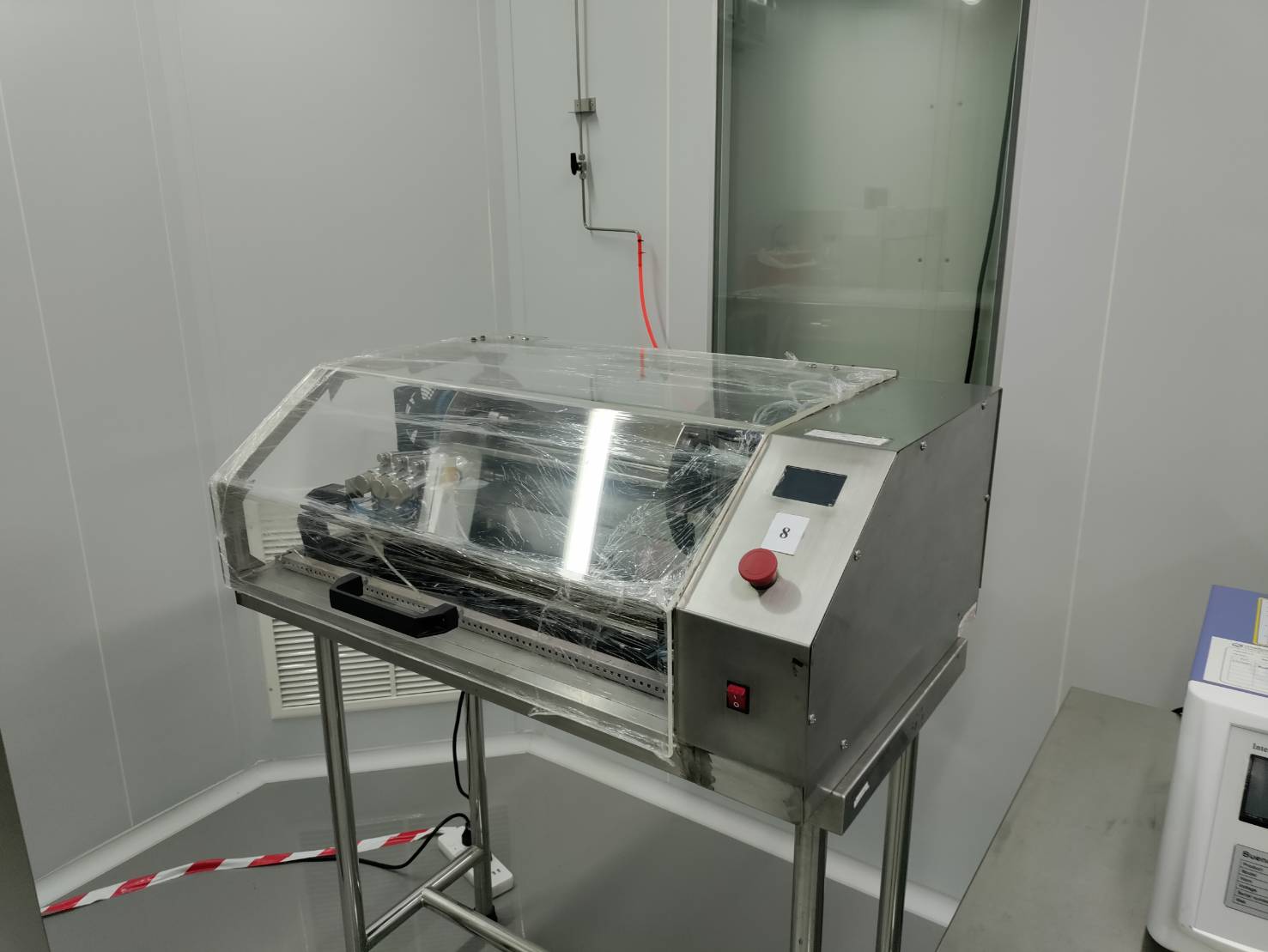
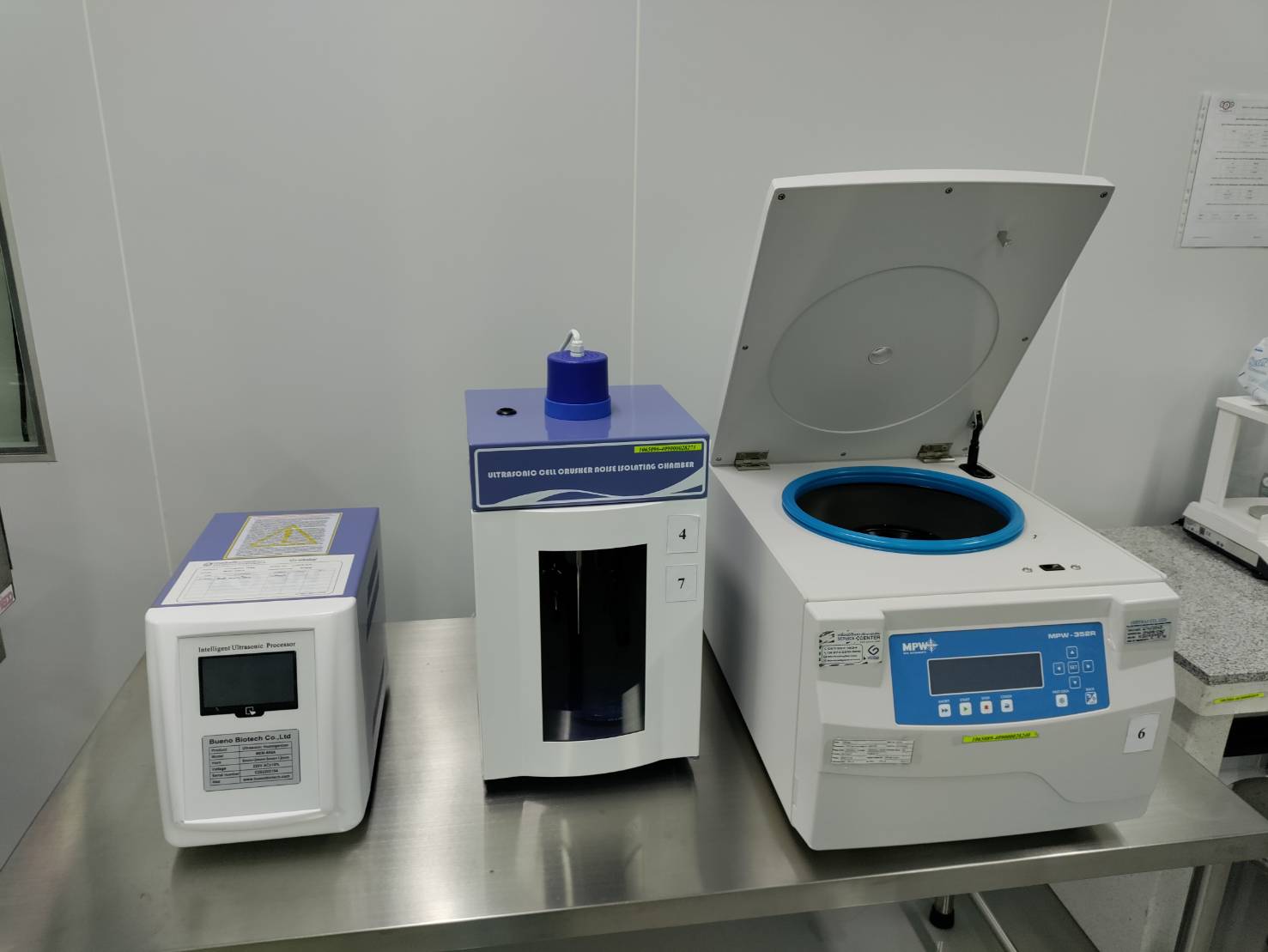
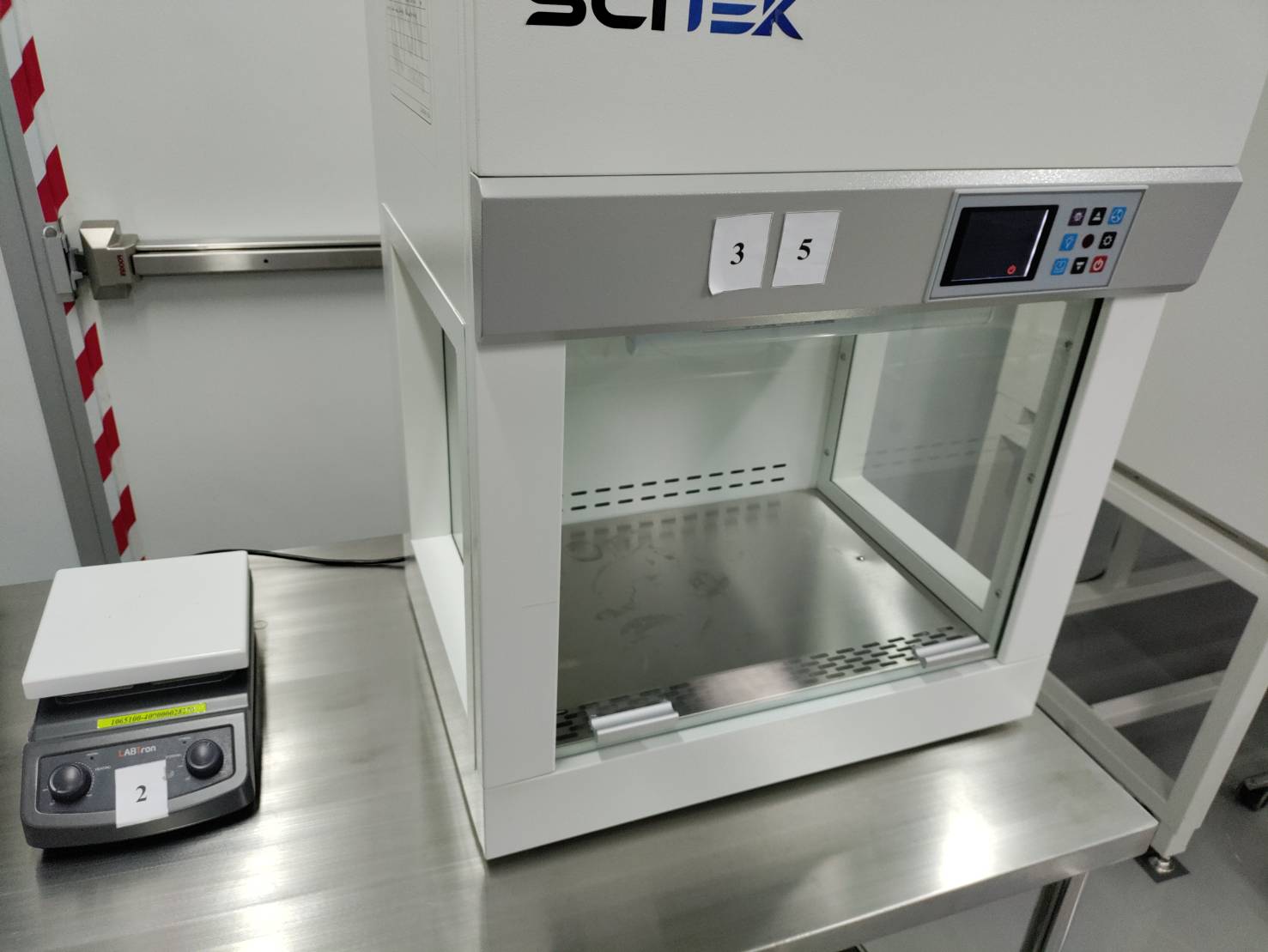
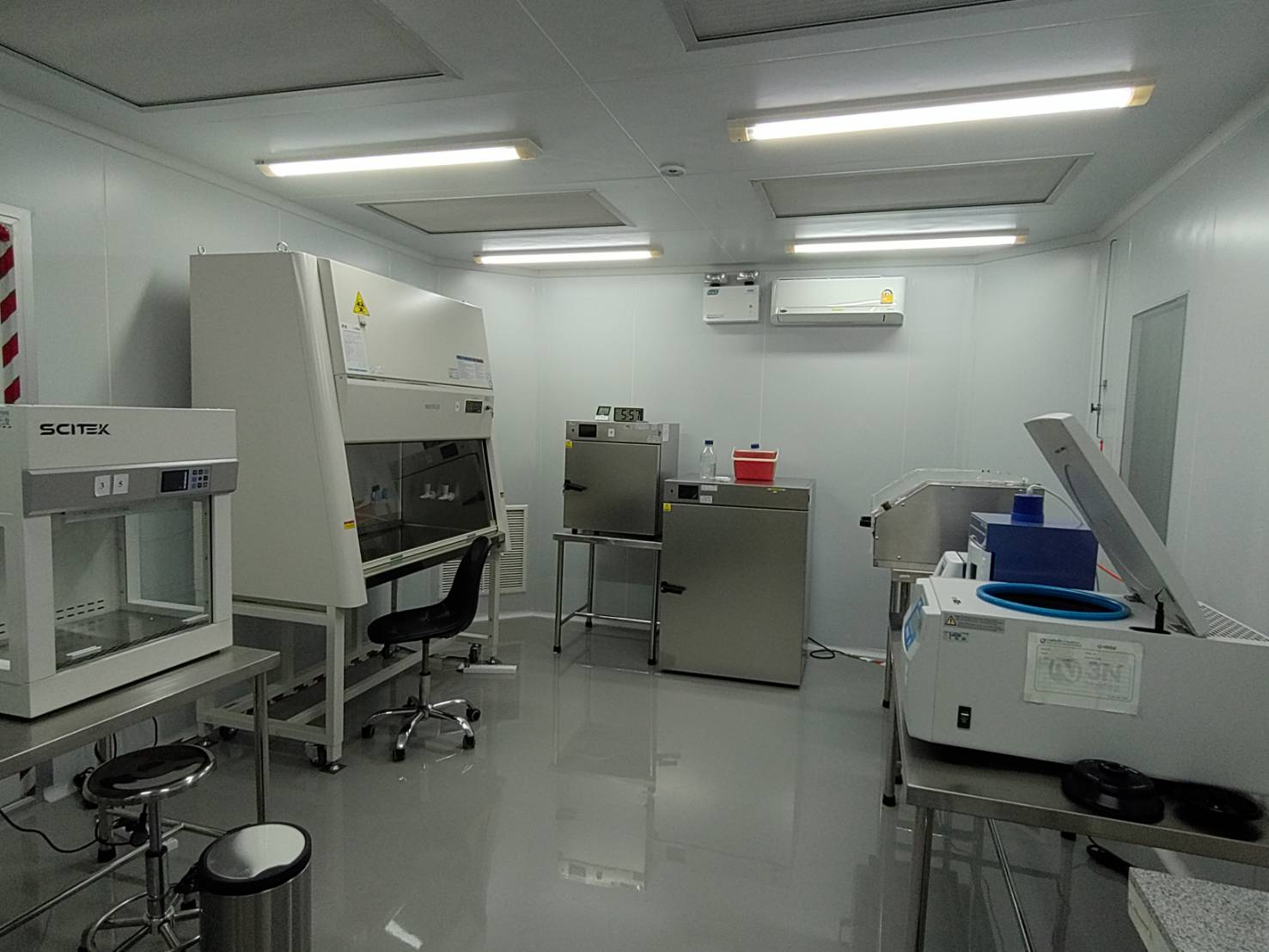
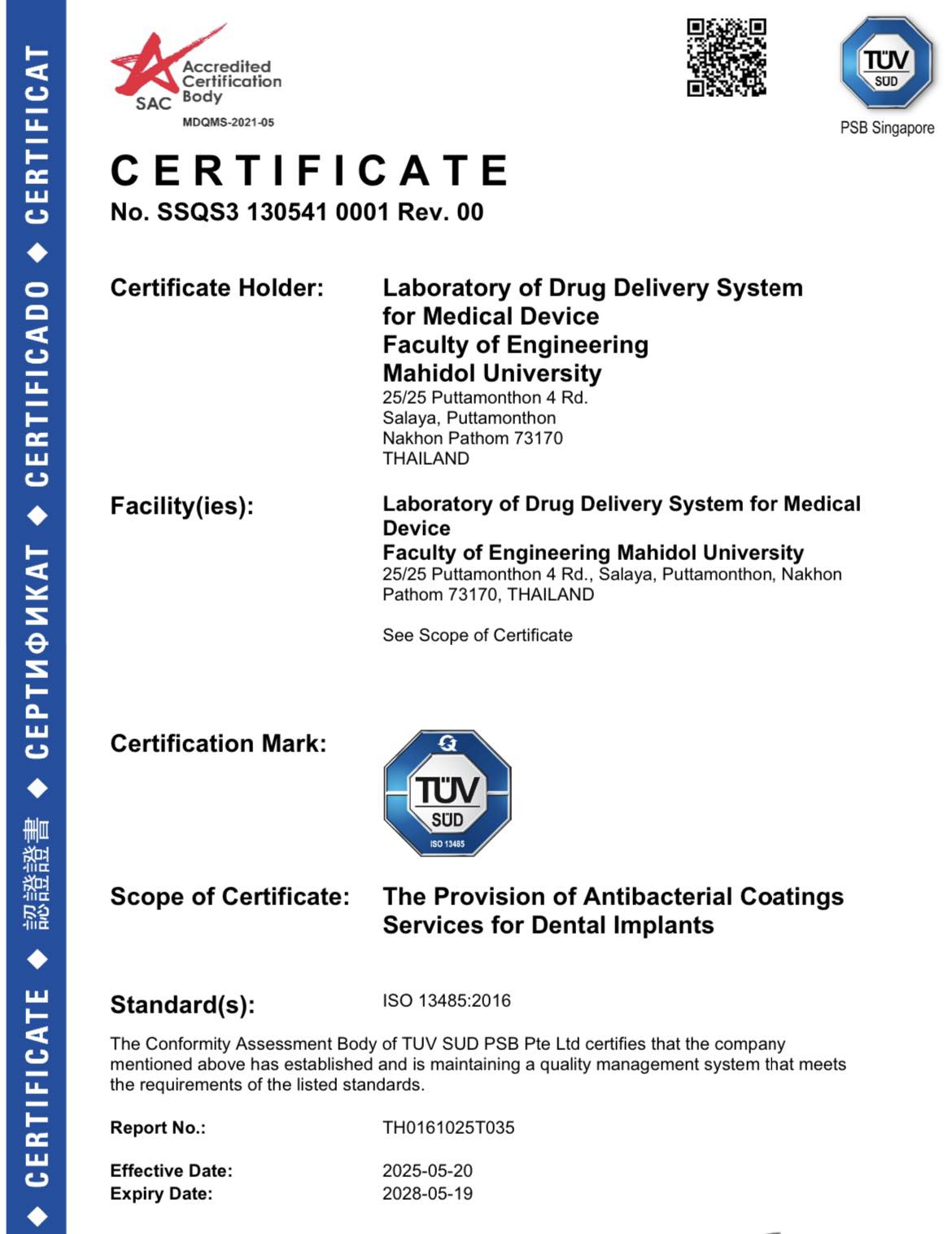
On 26 June 2025 – Mahidol University’s Faculty of Engineering has achieved a significant milestone in biomedical engineering as its Laboratory of Drug Delivery System for Medical Devices becomes the first in Thailand and ASEAN to receive ISO 13485:2016 certification. This international standard, specific to medical devices, was awarded for its service in antibacterial coating on dental implants, a groundbreaking innovation now ready for clinical-level research.
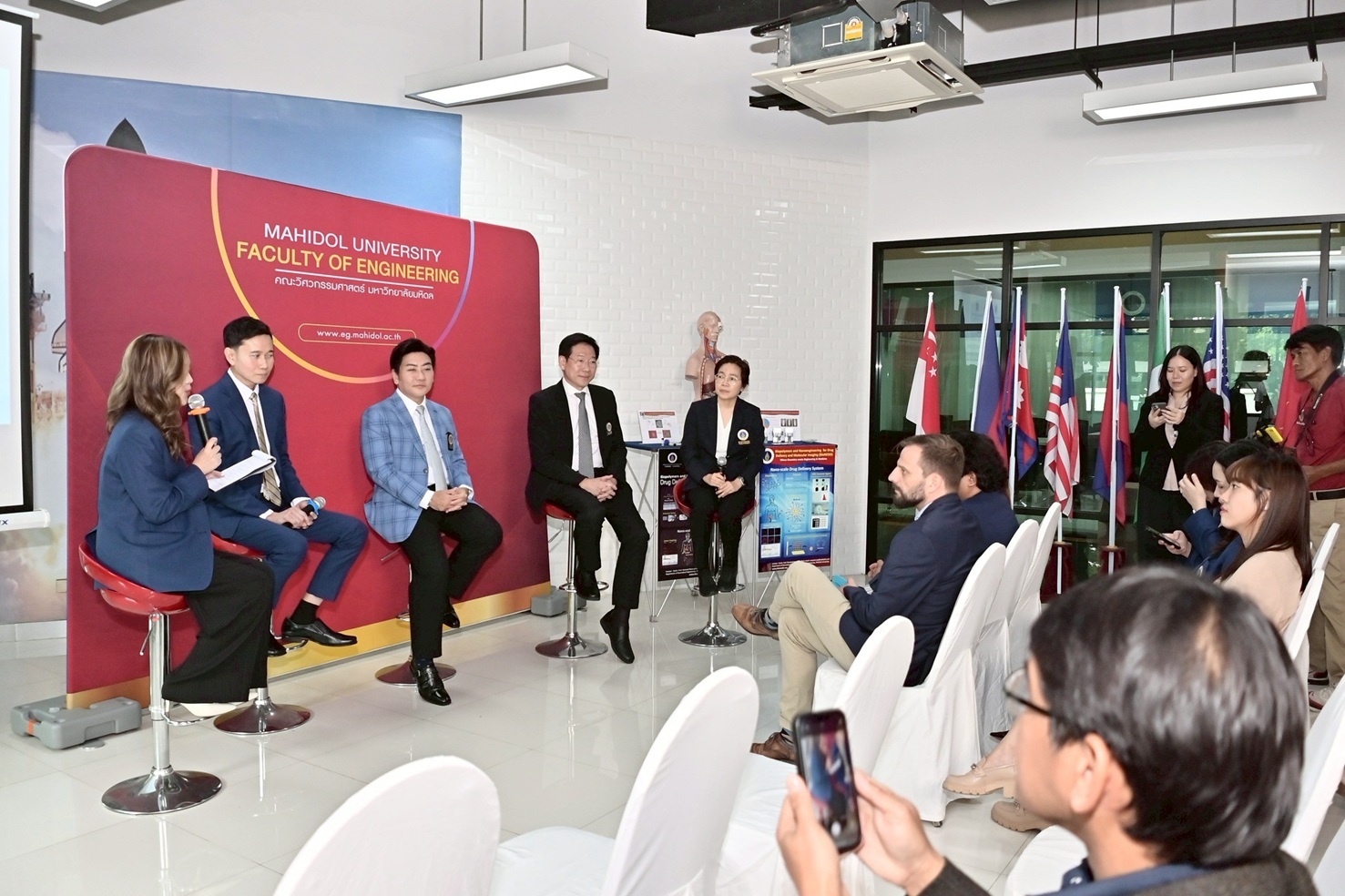
Assoc. Prof. Dr. Thanapat Wanichanon, Dean of the Faculty of Engineering, praised the collaborative achievement led by Assoc. Prof. Dr. Noraset Nasongkla and Dr. Chalaisorn Thanapongpibul, in partnership with the Faculty of Dentistry, represented by Assoc. Prof. Dr. Saranya Tanchareon. He emphasized that this milestone reflects Mahidol University’s ability to elevate research to global standards through interdisciplinary collaboration, particularly in the project’s first year focused on nano-coating technology to prevent bacterial infection on dental implants.
Assoc. Prof. Dr. Bundit Jirajariyavej, Dean of the Faculty of Dentistry, highlighted that this success aligns with Mahidol University’s mission to lead academic innovation through translational research. The antibacterial-coated implants developed in the certified lab will enter clinical trials to assess their effectiveness in reducing infection risks—a major step in turning academic research into real-world medical innovations. The project aims to improve dental treatment outcomes, enhance patient safety, reduce dependency on imports, and elevate public health standards.
Robert Frolich, Vice President of Medical Health Services (ASEAN) at TÜV SÜD PSB Singapore, remarked that ISO 13485 is more than just a standard — it is the foundation of trust in the medical device sector. It defines a framework for organizations to consistently meet regulatory requirements, manage risks, and ensure that medical devices are designed, produced, and distributed with the highest regard for patient safety.
With bacterial infection a major concern in dental implants—affecting up to 80% of patients with mild inflammation and 20% with severe bone loss—the team, including Assoc. Prof. Dr. Saranya Tanchareon and Assoc. Prof. Dr. Noraset Nasongkla, developed nano-coating technologies to reduce infection risk. Their ISO-certified lab now serves as a launchpad for clinical studies, product development, and future commercialization.
This achievement not only showcases Thailand's potential in high-value medical device manufacturing but also solidifies Mahidol University’s position as a true “University of Innovation.” With a clear focus on patient impact, this project exemplifies how global standards and interdisciplinary collaboration can turn research into real, life-changing solutions.